Urbex Map Categories Explained: Discover What Each Symbol Means
Leave a Reply
You must be logged in to post a comment.
Learn about our urbex map categories and what each symbol on the map stands for. Whether you’re a curious explorer or a seasoned urban adventurer, our system helps you navigate through abandoned castles, hospitals, bunkers, tunnels, and more — all neatly organized by type. In this post, we’ll guide you through each category so you can explore smarter.
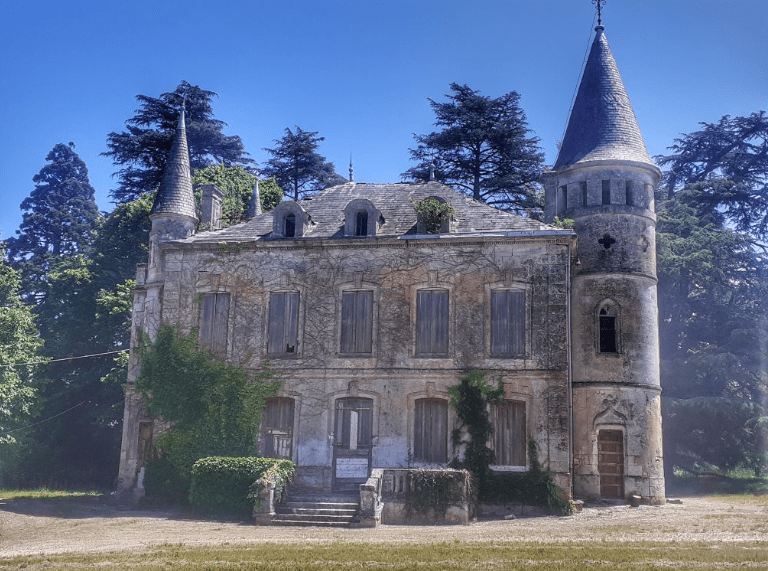
These locations include abandoned castles, fortresses, and other historic strongholds. Often rich in history and architecture, they’re a favorite for those looking for photogenic ruins and medieval vibes.
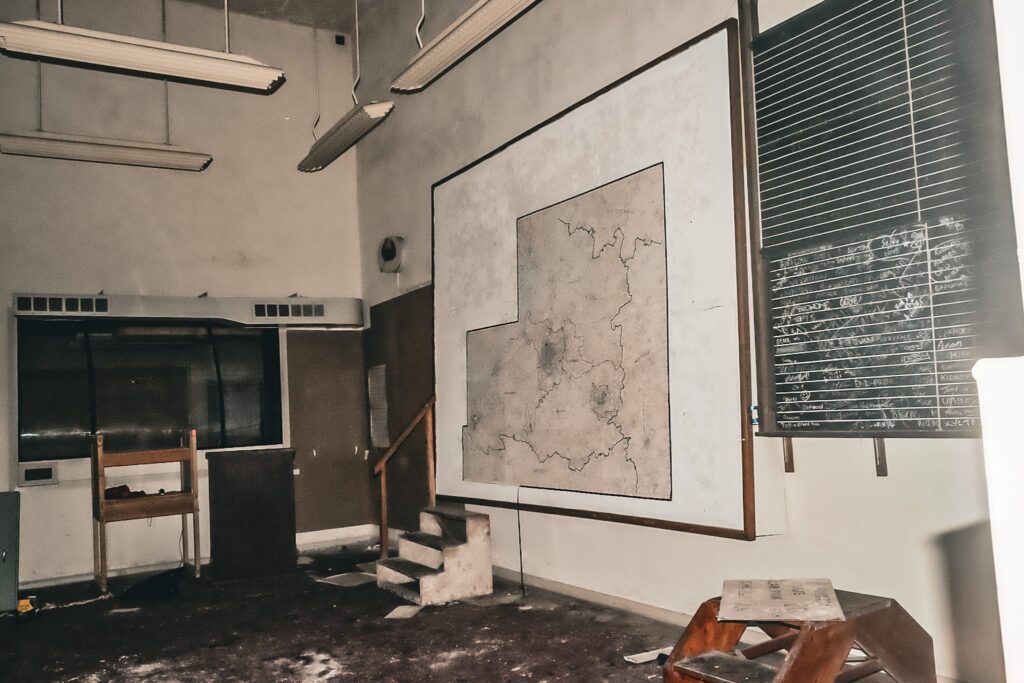
Old schools, universities, or training centers that have been left behind. Some still have desks, chalkboards, or even textbooks lying around — snapshots of forgotten knowledge.
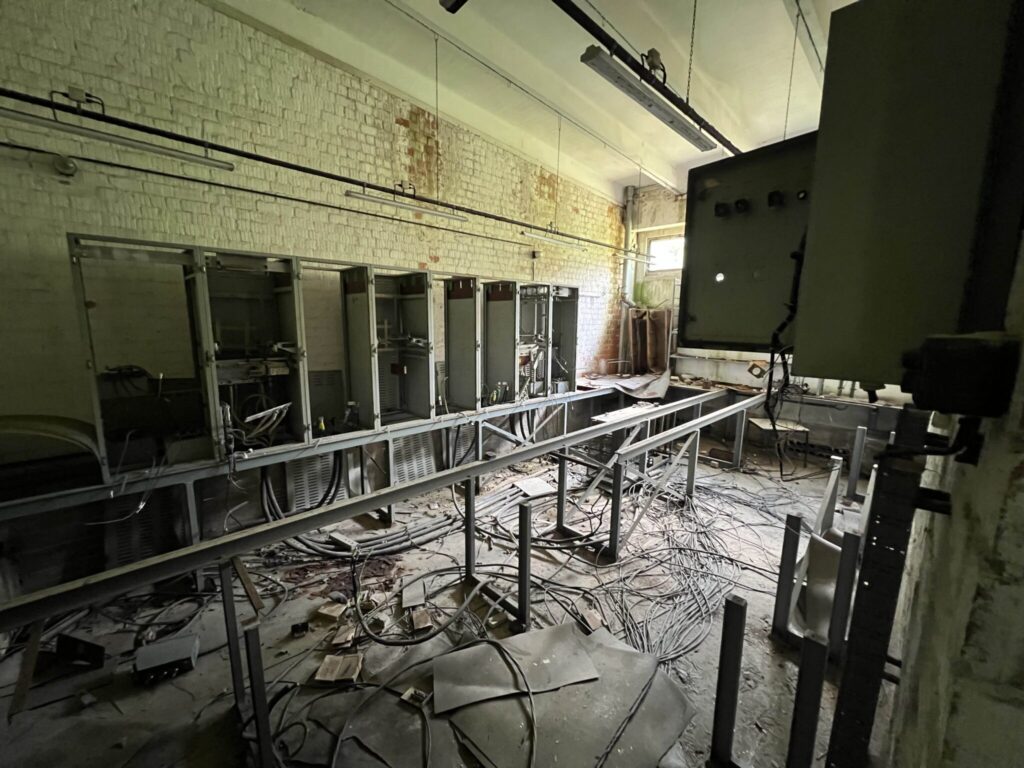
Power plants, transformer stations, and energy-related sites. These places often feature impressive industrial machinery, turbines, and massive control rooms.
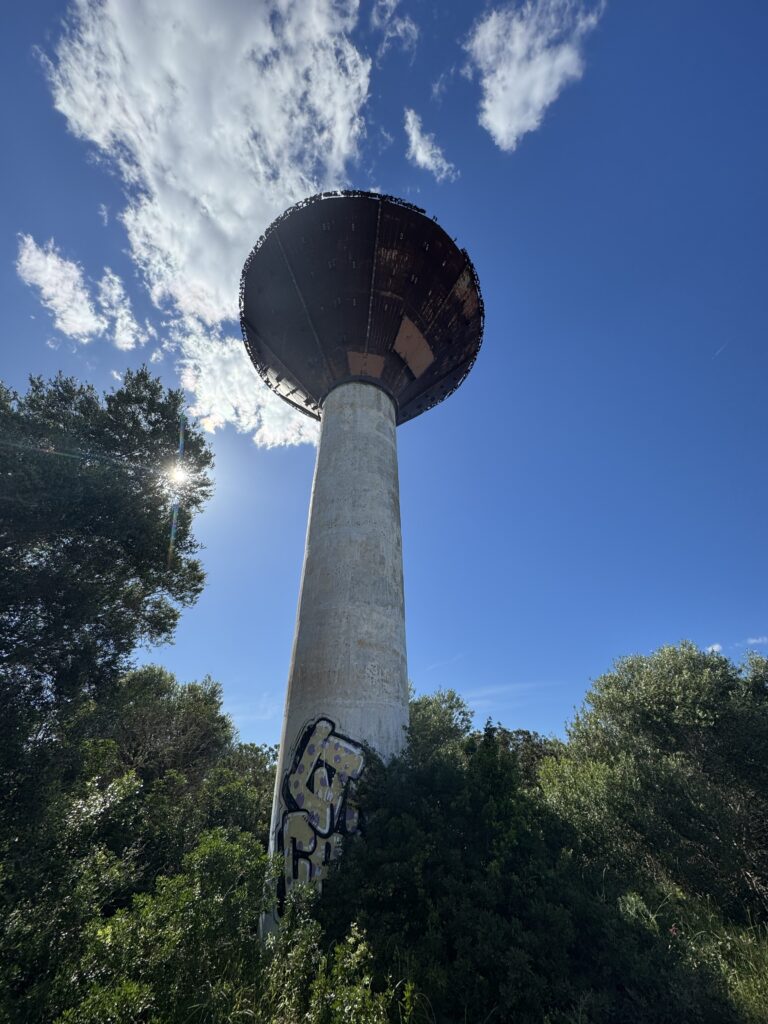
Abandoned police stations, prisons or border posts but also fire stations. Sometimes eerie, often fascinating, these places offer a glimpse into law enforcement infrastructure.
Old restaurants, canteens, and food production facilities. Whether it’s a collapsed diner or a factory that once made chocolate, these spots can be surprisingly atmospheric.
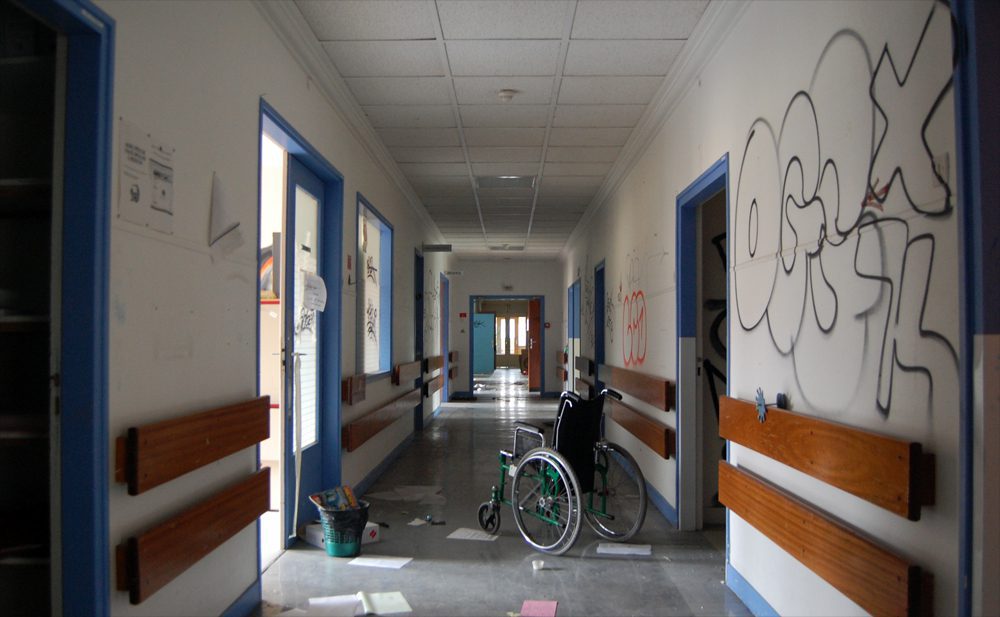
One of the most popular urbex map categories. Former hospitals, sanatoriums, clinics, or mental asylums. Some are creepy, others simply fascinating in their decay — but always a central part of urbex culture.
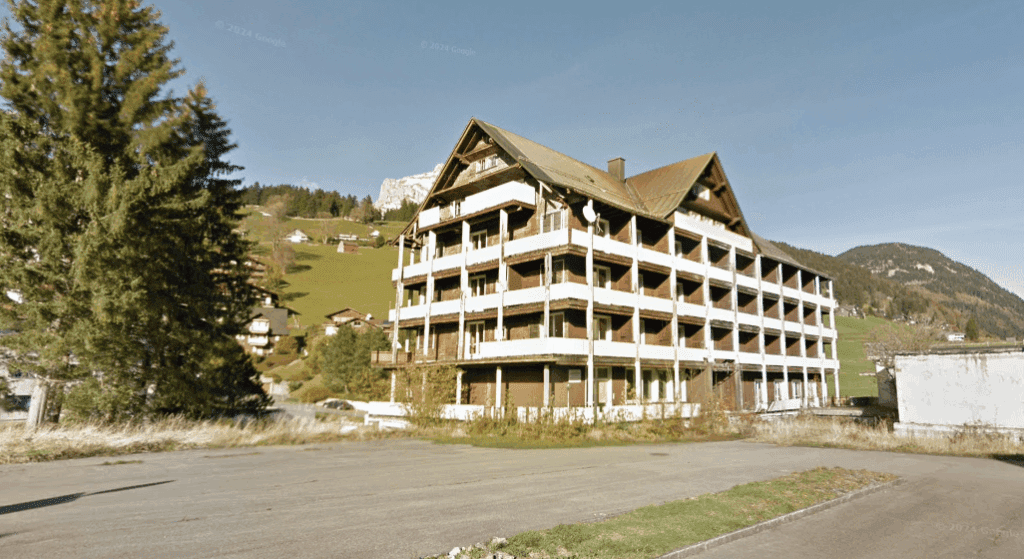
Hotels, motels, guesthouses, or hostels that have been left to rot. From luxurious to budget, they give a unique look into past hospitality experiences.
Private homes, mansions, villas, or even huts. These are often intimate and emotional to explore, especially when personal belongings are still inside.
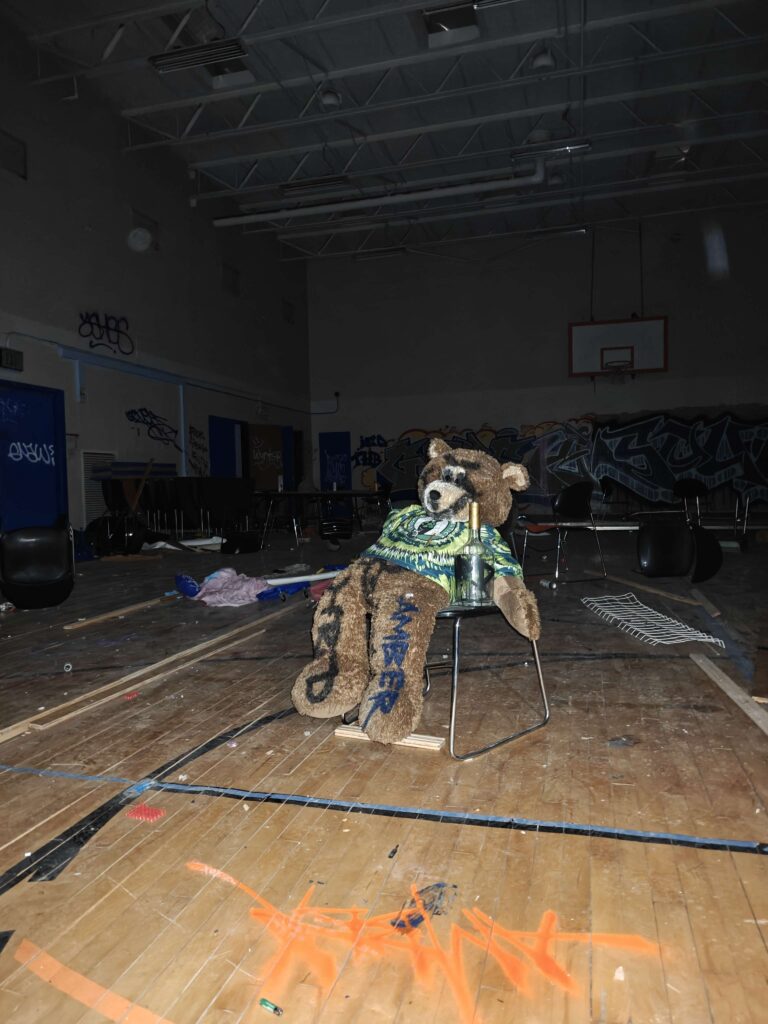
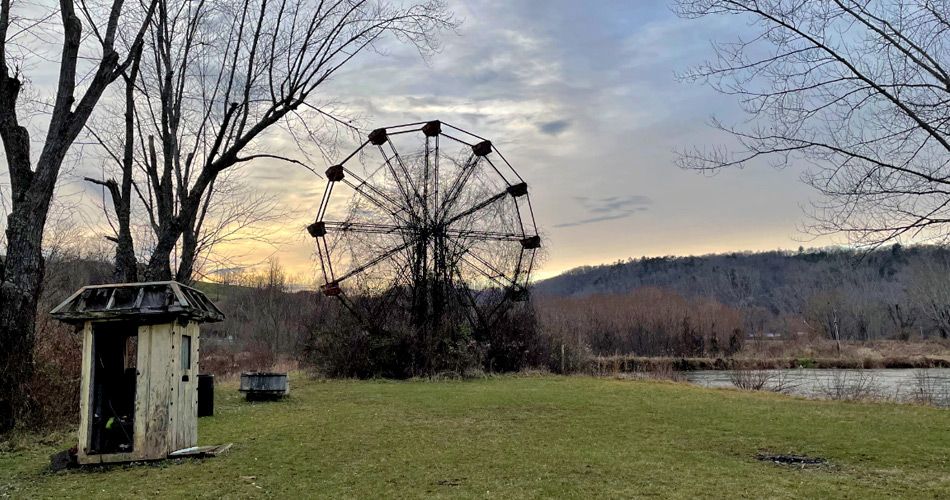
Swimming pools, theme parks, movie theaters, or sports halls — these once joyful places now stand as eerie reminders of good times gone.
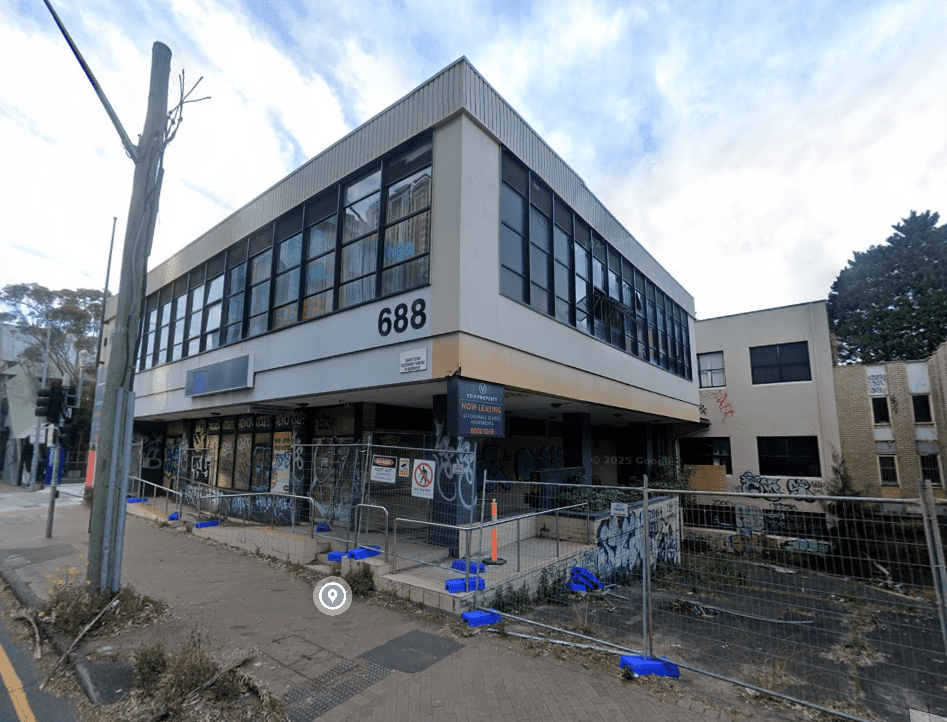
Abandoned office buildings, administration centers, or business headquarters. Great for lovers of old technology and retro office design.
Factories, workshops, and other industrial production facilities. Expect conveyor belts, heavy machines, and often vast empty halls.
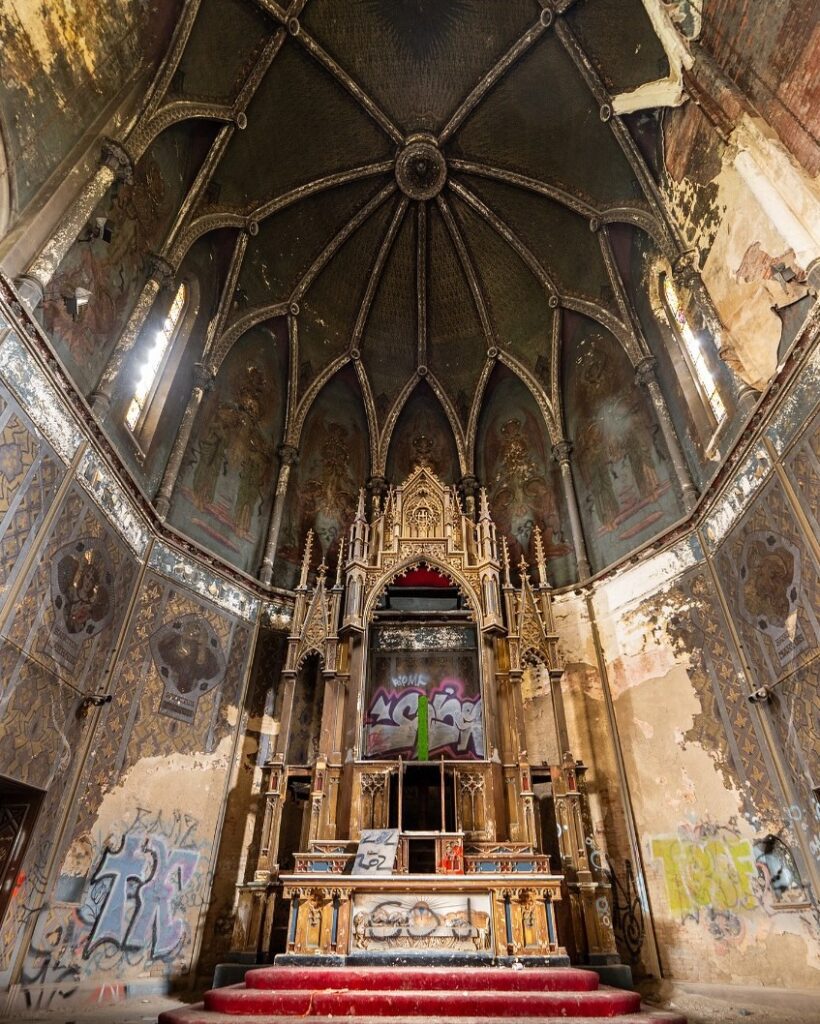
Churches, chapels, monasteries, or mosques. Often still majestic in their decay, these locations are some of the most photogenic and emotionally charged.
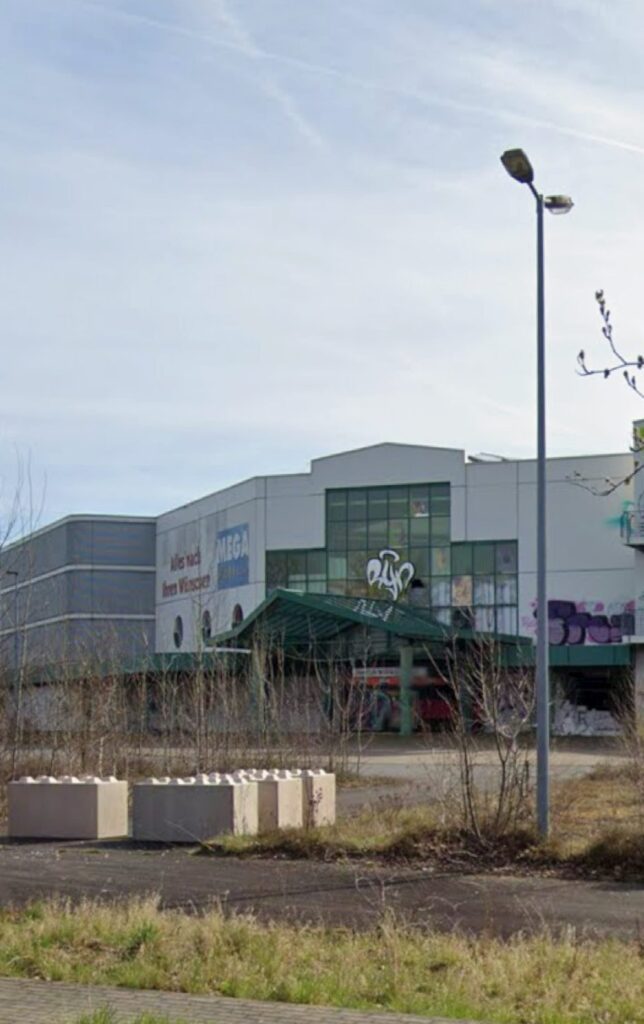
Image from google maps
Old shops, malls, and supermarkets. Sometimes you’ll still find empty shelves, mannequins, or even forgotten stock. This is a very interesting category out of our urbex map categories list
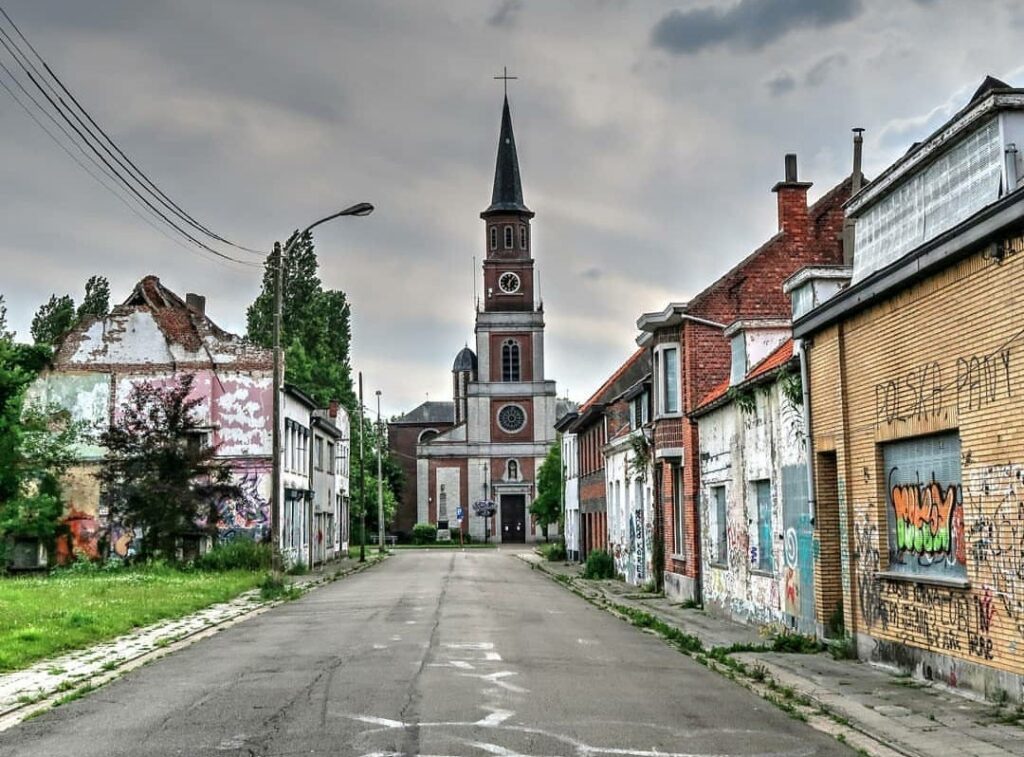
Entire abandoned villages, citys or even little islands. Perfect for a deep dive into what life looked like — before everyone left.
Barracks, bunkers, training grounds or even tanks. Often remote and full of history, military sites are among the most intriguing places to explore.
Train stations, airports, cars, hangars, bus depots, and related infrastructure. A window into how people used to move around — now eerily still.
Tunnels, basements, sewers, or even underground factories. Dark, damp, and mysterious. Sometimes easy to acces sometimes extremely good hidden — not for the faint-hearted.
Sometimes, we just don’t know. These are places we couldn’t quite categorize, but they’re still worth exploring. Maybe you can tell us, what those places were?
Everything that doesn’t fit into any of our urbex map categories. Unique, strange, or hybrid locations that defy classification.
You must be logged in to post a comment.
Disclaimer:
All information and photos on this website are provided for documentation purposes only. Many locations are on private property or may be dangerous to enter. Access may be strictly prohibited.
We do not encourage or invite anyone to enter these locations.
Anyone who chooses to visit these places does so entirely at their own risk and responsibility.
To provide the best experiences, we and our partners use technologies like cookies to store and/or access device information. Consenting to these technologies will allow us and our partners to process personal data such as browsing behavior or unique IDs on this site and show (non-) personalized ads. Not consenting or withdrawing consent, may adversely affect certain features and functions.
Click below to consent to the above or make granular choices. Your choices will be applied to this site only. You can change your settings at any time, including withdrawing your consent, by using the toggles on the Cookie Policy, or by clicking on the manage consent button at the bottom of the screen.
We’ve started rolling out multilingual support across UrbeXplorer!
Please note that location titles remain in their original language. The Community section and some other sections will remain in English for now.
This feature is still in beta, and we currently support German and Italian only. If you notice any translation issues, want to help us improve, or speak a language we don’t yet offer, feel free to reach out through the contact form.
Subscribe to our newsletter to stay up to date!
Urbexplorer is made by explorers for explorers. Share your feedback and shape the future of our community and map!
To delete a place, please log in to your account.
If you’re new here, you’ll be able to unlock the map by submitting a location or supporting the project after creating an account.
If you’re having trouble, feel free to contact us.
To edit a place, please log in to your account.
If you’re new here, you’ll be able to unlock the map by submitting a location or supporting the project after creating an account.
If you’re having trouble, feel free to contact us.